
Color does real identification work in Depression glass, since most patterns were only ever produced in a specific, limited set of colors — which means a piece in the “wrong” color for its pattern is one of the clearest signs something isn’t original.
Pink
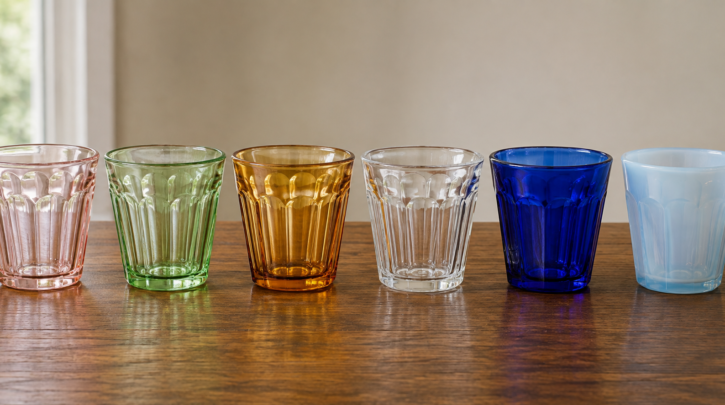
Pink is the color most associated with Depression glass in the popular imagination, and it was produced across nearly every major pattern and manufacturer, which makes it both the most common and the most collected color overall. Because so much pink was made, individual piece values vary enormously depending on pattern and shape rather than color alone.
Green
Green runs a close second to pink in overall production volume and collector popularity, again spread across most major patterns. Depression-era green ranges from a lighter, almost yellowish tone to a deeper emerald, and the exact shade can help narrow down which manufacturer produced a specific piece.
Amber and Topaz
Amber and the lighter topaz (sometimes called yellow) were produced in meaningful quantity but historically drew less collector enthusiasm than pink or green, which has generally kept prices lower for equivalent pieces — though collecting trends do shift, and amber has seen renewed interest in recent years as decorating tastes change.
Crystal (Clear)
Plain crystal, essentially clear glass, was produced in most patterns and is usually the least expensive color to collect, partly because it lacks the visual punch of colored glass and partly because it was often the highest-volume color produced in any given pattern.
Cobalt Blue
Cobalt, sometimes called Ritz blue, is a deep, saturated blue that was produced in far smaller quantities than pink or green across most patterns, which generally makes cobalt pieces command a real premium — Royal Lace in cobalt is a well-known example of a pattern where the blue colorway significantly outvalues the more common colors.
Delphite
Delphite is an opaque, pale blue associated closely with Jeannette Glass, used in patterns like Cherry Blossom alongside the more common pink and green. Its opacity gives it a distinctly different look from the transparent colors, and genuine Delphite pieces are generally scarcer and more sought after than their pink or green counterparts in the same pattern.
Monax
Monax, an opalescent white, is essentially the signature color of MacBeth-Evans’s American Sweetheart pattern, giving those pieces a soft, glowing quality distinct from ordinary milk glass or plain crystal.
Why Color Mismatches Matter for Authentication
Because color and pattern combinations are well documented, a piece in a color that pattern was never originally produced in is one of the fastest reproduction red flags available — reproduction makers have sometimes produced patterns in colors that never existed in the original run, either from carelessness or to create a “new” product; see our reproductions guide for documented examples of this happening.
Color and Value
Within any single pattern, rarer colors consistently command higher prices than common ones, but color alone doesn’t determine value — a common color in a rare shape or serving piece can be worth considerably more than a rare color in an ordinary, mass-produced shape; see our value guide for how these factors combine in practice.
Ultramarine and Other Less Common Colors
Beyond the core colors, a handful of patterns appeared in smaller-run shades like ultramarine (a distinct blue-green) or Jadite, an opaque pale green more closely associated with later Fire-King kitchenware than classic Depression-era patterns, though the two categories get discussed together often enough that it’s worth keeping the distinction clear; see our Fire-King Jadite guide for how that related but separate category works.
Lighting and Color Perception
The same piece of glass can look noticeably different under incandescent light, daylight, or a phone camera flash, which is worth keeping in mind both when examining a piece in person and when judging color from an online listing photo. When color is doing real identification work — confirming whether a piece matches a documented original colorway — viewing it in natural daylight gives the most reliable read.
When in doubt, photograph a piece in daylight next to a verified reference piece or photo rather than relying on memory of what a color “should” look like.
Regional and Batch Variation
Even within a single documented color for a pattern, subtle variation between production batches and even between different manufacturers using similar formulas is normal and doesn’t itself indicate a reproduction — genuine period glass wasn’t produced with the tight color consistency modern manufacturing achieves, so minor shade differences between two authentic pieces are expected rather than a red flag on their own.